
Skip to content

Book Fulfillment Services for Publishers, Authors and Curriculum Companies

KSP receives your print run by ISBN and edition, ships single copies to readers and cartons to bookstores and schools, and releases pre-orders on your publication date. Books are heavy for their size, so every packed carton is weighed and measured before the label prints, and the shipping service is picked on that real weight.
A KSP associate scanning inventory in a warehouse aisle
order accuracy across 32.1M orders
99.999%
same-day shipping cutoff
2PM CST
kitting floor for class sets and box sets
50,000sq ft
countries we ship to
220+

What Is Book Fulfillment?

Book fulfillment is a warehouse holding a publisher's printed inventory and shipping every order: single copies to readers, cartons to bookstores, distributors and schools. With print-on-demand, each copy is printed only after a reader orders it, and the printer ships it.

Warehouse fulfillment wins once you've paid for an offset print run, because the unit cost is already locked in and the books need a home. It also wins for box sets, signed or bonus editions, and any retail or school account that orders by the carton. Print-on-demand wins for a single title selling a few copies a week, where a print run would sit for years.

KSP doesn't print books. We store, pick, pack and ship them from one building in Brooklyn Park, to readers across the US and in 220+ countries.

Media Mail, Ground or Priority: Shipping Math for a Two-Pound Book

Carriers price parcels mostly by weight, and books are heavy for their size, so a two-pound hardcover shows the gap between services clearly. Here is how the common options price a book and where each one fits.

ServiceHow it's pricedWhere it fits a book order
USPS Media Mail

By weight only, with no distance charge. A coast-to-coast book costs the same as one going across the state.

Readers who chose the cheapest option and can wait. USPS lists 2 to 8 days, and packages can be opened for inspection.

USPS Ground Advantage

By weight and zone. Parcels over one cubic foot pay on the larger of actual weight or box size.

Single copies and small orders where the reader expects ground speed at a low price.

UPS Ground and FedEx Ground

By weight and zone, billed on actual weight or box size, whichever is greater.

Heavier multi-book orders, box sets and cartons to bookstores and schools.

USPS Priority Mail and air

By weight and zone, at a higher rate than ground.

Orders where the reader paid for faster delivery, including overnight.

Media Mail has rules a publisher has to live with. It covers books of at least eight printed pages, and the only advertising allowed inside is incidental announcements of other books. A tucked-in coupon for something else puts the package at the higher rate if USPS opens it.

We don't offer Media Mail. Your books ship by USPS Ground Advantage, UPS, FedEx or Priority, and ground orders reach any US address in 1 to 3 days instead of Media Mail's 2 to 8. Every packed carton passes certified scales and laser dimensioners before the label prints. The label is then rate-shopped across carriers and service levels on that measured weight and size, against the delivery promise you set, using our discounted carrier rates.

KSP is a godsend to our business, and we are grateful beyond words to be entrusting our warehousing and fulfillment to them since April 2021. They find the best and most cost effective way to ship.

Denise B.Google review, 5 stars

Receiving a Print Run by ISBN, Edition and Format

On every title

  1. Counted at the dock

    Printer pallets and cartons are counted and scanned against your advance ship notice before any copy becomes available to sell. A short count or damaged copies from the printer get reported to you, so you can take it up with the printer while the run is fresh.

  2. One SKU per version

    Each ISBN, edition and format is set up as its own SKU. A hardcover, the paperback and the second printing never share a bin count, so an order for the revised edition can only pull the revised edition.

  3. Scanned at the pick

    The associate scans the tote, then the book. If the book's barcode doesn't match the item the order expects, the pick won't register and the error stops on the floor.

  4. Weighed at pack-out

    The packed carton's weight is checked before the label prints, which catches a missing copy in a multi-book order before it leaves.

Pre-Orders and Publication Day

Shipping a book early can break a street date with your retail partners, and shipping late wastes the attention you built. We hold pre-orders and release them on the date you set, so readers get the book on or near publication day.

  1. 30 days out

    You set the release date and the pre-order plan with your account manager. Inbound from the printer is scheduled against an ASN, with time to count and shelve the run before launch.

  2. Stock lands

    Copies are received, counted and put away. Pre-orders keep coming in from your store and sit on hold, ready to pick.

  3. Inserts go in

    Signed bookplates, bonus prints and pre-order gifts are packed with each order to your spec, so every reader gets the edition they paid for.

  4. Publication day

    The hold lifts and the pre-order backlog releases to the floor. 135+ Locus robots carry order totes through picking, so associates spend their time picking and scanning instead of walking aisles.

  5. Launch week

    New orders in by 2 PM CST ship the same day while the backlog clears. If anything goes wrong, your account manager responds within our 2-hour issue window. What else slows a launch is in our guide to fulfillment delays during product launches.

Mailers That Protect Corners and Spines

Most book damage comes from a box that lets the book slide around, and every crushed corner costs you a replacement copy and a second shipment.

Your packing spec sets the mailer or carton for each SKU. A single paperback can go in a mailer sized to the trim, while a box set or a five-book order goes in a corrugated carton with the books held still. We pack in standard cartons and mailers or in your own branded materials. Carton choice also sets billable weight, so a right-sized box protects the book and the postage line at once.

Signed and limited editions can sit in our floor-to-ceiling security cage and ship with signature required and declared value. If we lose or damage a book, we pay its cost.
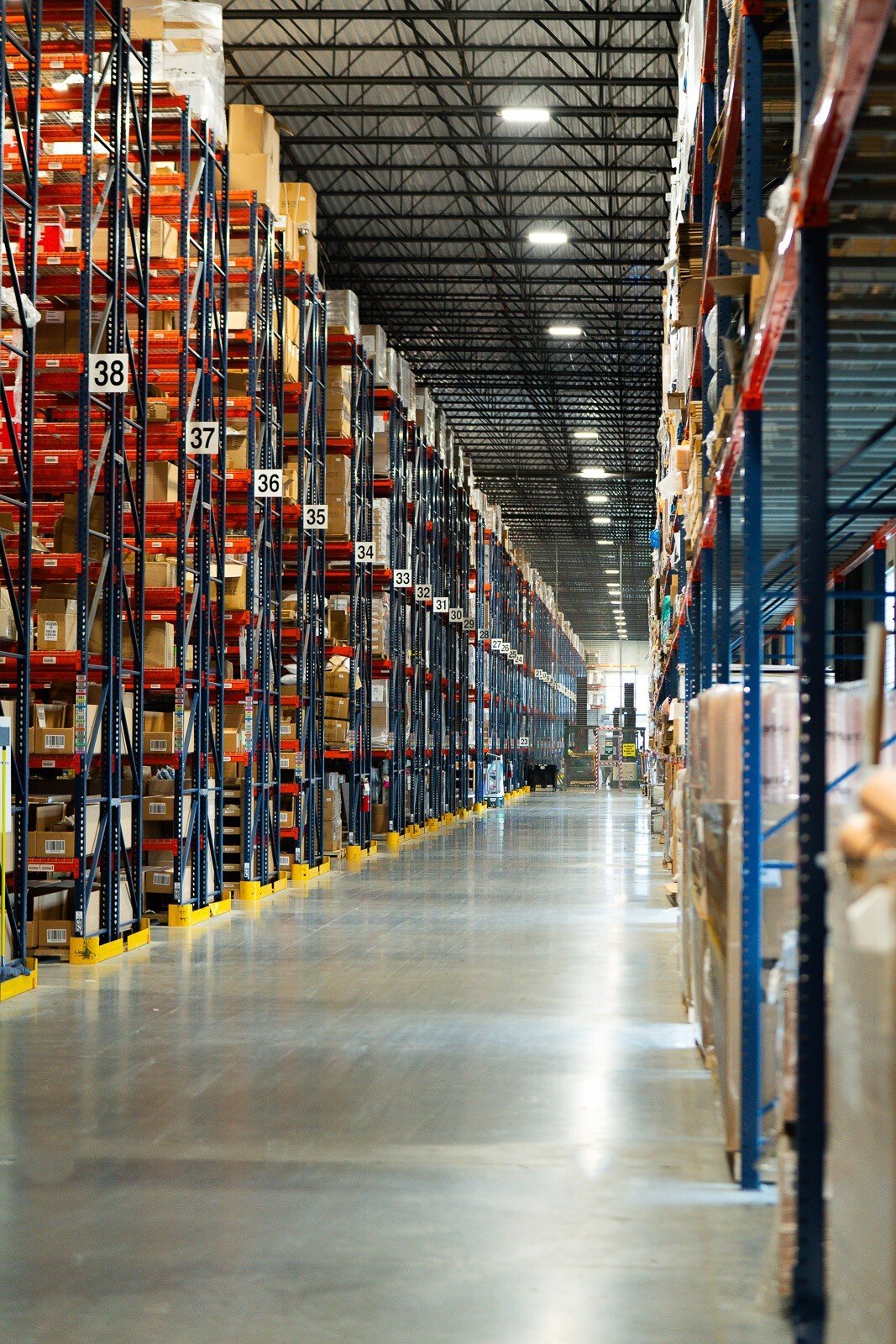
A long aisle of pallet racking in KSP's warehouse

Bookstore, Distributor and School Orders by the Carton

Trade orders ship from the same stock as your website, so a bookstore order and a reader's order draw on one count of each title.

  • Bookstores

    Carton orders picked by title and quantity, packed so the copies arrive shelf-ready instead of shelf-worn.

  • Distributors and wholesalers

    POs arrive over EDI through SPS Commerce. Pallets are built to the distributor's routing guide and leave on LTL with the delivery appointment booked. Our page on EDI and retail orders covers that side in full.

  • Schools and districts

    Bulk orders by classroom count, shipped to each school or to the district warehouse, timed to the date the district gives you.

  • Trade returns

    Bookstores send unsold copies back for credit. Returned books are received, inspected and graded, sellable copies go back into stock, and you get a report of every return and its condition.

Curriculum Kits and Class Sets for Back-to-School

A class set is a student book, a workbook, a teacher guide and whatever manipulatives the lesson needs, packed for one classroom. Building thousands of them is kitting work, and it lands in the same few summer weeks every year. We build them on our 50,000 sq ft kitting floor, the same floor that has built 20.9 million kits, in the building that ships them.

  1. Set up the kit

    Each class set gets its own SKU and a bill of materials listing every book and component in it.

  2. Receive the parts

    Books from the printer and components from other suppliers are counted against the bill of materials. If a supplier ships short, you hear about it before the build is scheduled.

  3. Build ahead of the rush

    Kits are built in spring and early summer, checked against the bill of materials with a photo before the box closes, then held as finished inventory.

  4. Release by district

    Each district's sets release on its ship date, so a school that starts in August gets its boxes before the first day and nothing ships into a closed building in July. Read more about kitting and assembly services.

Publisher, Self-Published Author or Curriculum Company: Who This Fits

We work with publishers shipping 500+ orders a month across their titles. Smaller programs belong with one of the other options below.

You areBest fitWhy
A publisher or press with an offset print run

KSP

Your copies are paid for and need storing, shipping and launch planning across readers and trade accounts.

A curriculum or education company

KSP

Class sets, school orders and a back-to-school rush call for kitting and dated releases from one building.

An author selling a few copies a week

Print-on-demand

There's no print run to pay for up front and no storage on copies that sell slowly.

A magazine or periodical

A periodical mailer

Recurring mailings to subscribers are a different postal product and a different operation.

What Sets the Cost of Shipping and Storing Books

Weight and service mix set most of a book program's cost. We walk you through an invoice and your program line by line before you sign, and the 3PL fee checklist lists the fee lines worth comparing across quotes.
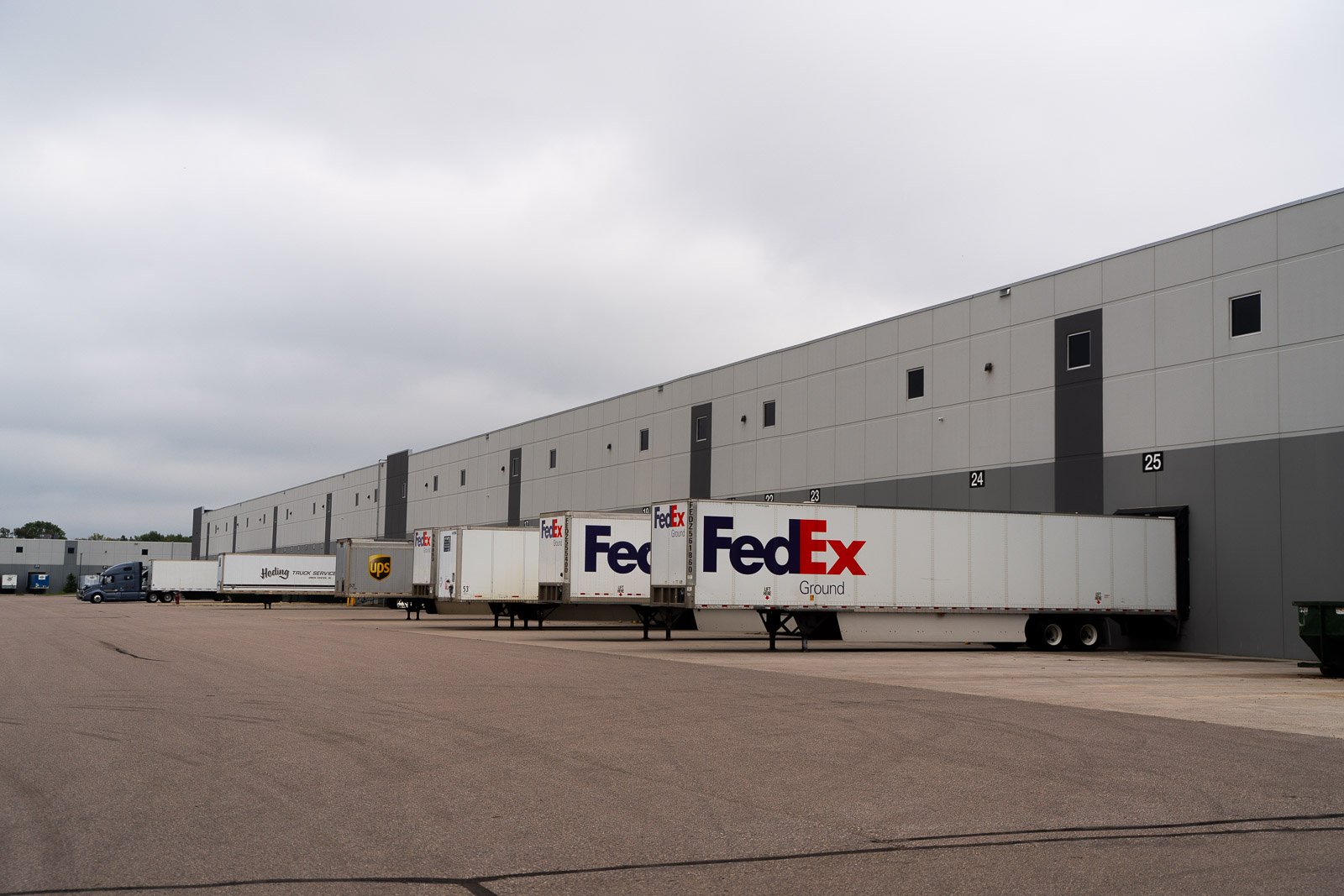
Carrier trailers backed into KSP's dock doors
Shipped weight and service mix

Your average order weight and the services your readers choose decide the postage line. Every carton is billed on its measured weight, not an estimate.

Pre-orders and inserts

Holding orders to a date is part of the setup. Bookplates, bonus prints and signed copies add a touch per order.

Kits and box sets

Class sets and box sets are priced per finished unit, by how many parts go in.

Backlist storage

Storage follows how many copies you hold and how fast each title turns, which matters most for backlist titles that sell a few copies a month. Our scheduled cycle counts are included at no charge, so a slow title's count stays right without a fee line.

Trade orders and returns

Cartons, pallets and LTL freight for bookstores and distributors, plus receiving and grading returned copies.

What we'll talk through

  • How many titles you have in print and your monthly orders
  • Average book weight and trim sizes
  • Your next publication dates
  • Who you sell to: readers, bookstores, distributors and schools

Book Fulfillment FAQ

Do you ship books by Media Mail?

No. We ship books by USPS Ground Advantage, UPS, FedEx and Priority. Every carton is weighed, measured and rate-shopped on our discounted rates, so each order goes on the lowest-cost service that meets your delivery promise, and ground orders reach any US address in 1 to 3 days.

What does it cost to ship a two-pound book?

It depends on the service and the distance. Media Mail charges the same anywhere in the US, while ground and Priority services add a zone charge. The table above compares them, and we build your postage line from your real weights in the quote.

Can you hold pre-orders and release them on publication day?

Yes. Pre-orders are held and released on the date you set, with signed bookplates and pre-order bonuses packed in before release.

How do you keep the wrong edition from shipping?

Each ISBN, edition and format is its own SKU, and the book's barcode has to match the order before the pick registers.

Do you ship to bookstores, distributors and schools?

Yes. Cartons and pallets ship from the same stock as your website, with distributor POs over EDI through SPS Commerce and LTL delivery appointments booked for you.

Can you build curriculum kits and class sets?

Yes. Class sets are built on our 50,000 sq ft kitting floor, which has built 20.9 million kits, and each set becomes its own SKU.

Is warehouse fulfillment better than print-on-demand for my book?

If you have an offset print run, retail or school accounts, or box sets, yes. A single title selling a few copies a week fits print-on-demand.

Do you handle bookstore returns?

Yes. Returned copies are received, inspected and graded, sellable copies go back into stock, and you get a report on every return.

Does your system connect to our store or distributor?

Yes. Any platform connects through Logiwa or our own API, and a new connection can be built in as little as a week.

Are Heavy Books Eating Your Shipping Margin?

Tell us what you publish and where it goes. We'll show you how your titles would ship from our building, service by service, and what fulfillment would cost.

  1. Answer five quick questions about what you ship and where you sell, with rough numbers.
  2. A KSP rep gets in touch within 1 business day to set up a short call and hear what you need.
  3. We build a quote around your titles and channels, then walk you through it line by line.

Every packed carton weighed and measured before its label prints, then rate-shopped across carriers.

No obligation, and nothing to send or prepare.

Not ready to talk yet? Get the Fulfillment Fee Checklist: the 14 lines a 3PL can bill you for, with the question to ask about each one.

Step 1 of 5

Who do you ship to?

Pick one or both.