
Skip to content

Food Fulfillment Services for Shelf-Stable Food and Beverage Brands
KSP stores and ships shelf-stable snacks, pantry goods and non-alcoholic beverages from a climate-controlled, FDA-registered warehouse. Every inbound case is logged by lot and best-by date before it reaches a shelf, and orders pull the oldest date first. We don't store frozen or refrigerated food, so those programs belong with a cold-chain partner.
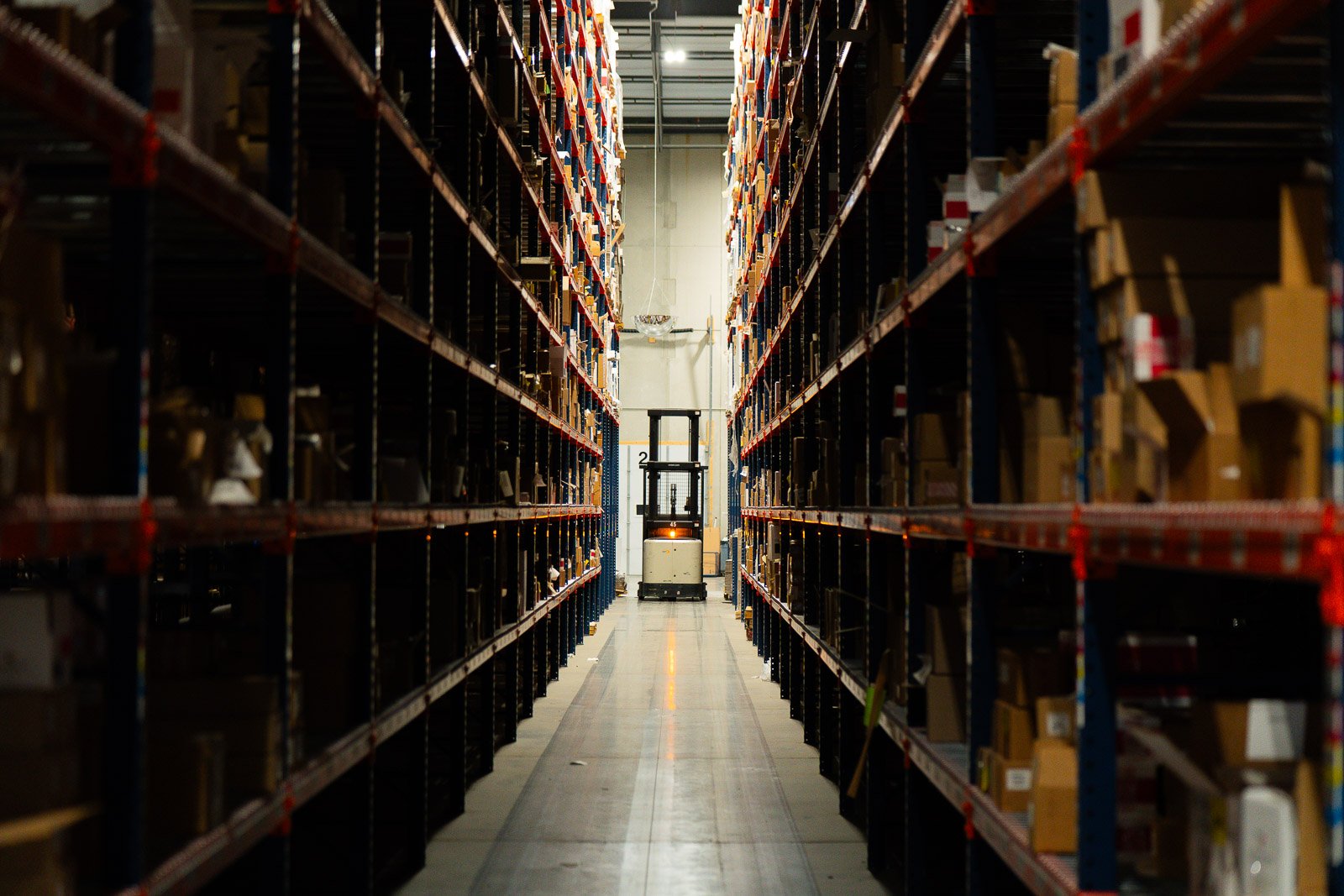
A shelving aisle in KSP's warehouse with a reach truck at the far end
order accuracy across 32.1M orders
99.999%
same-day shipping cutoff
2PM CST
climate-controlled, FDA-registered warehouse
225,000sq ft
dock doors for parcel, LTL and truckload
29

What Is Shelf-Stable Food Fulfillment?

Food fulfillment is storing packaged food and drinks for a brand and shipping them to shoppers, marketplaces and grocery buyers while tracking every case by lot and best-by date. Shelf-stable means the product holds at room temperature in its sealed package: snacks, bars, baking mixes, jarred sauces, coffee, cocoa and canned or bottled non-alcoholic drinks.

KSP holds these products in a climate-controlled, FDA-registered warehouse in Brooklyn Park and ships them to DTC customers, to Amazon and to grocery and club buyers from one stock. If your product needs a freezer or a cooler at any point before the shopper opens it, you need a cold-chain 3PL. The table in the next section shows exactly where that line falls for each product type.

What Our Warehouse Holds, and What Goes to Cold Chain

Each product type below falls into one of three groups: we store it, we check its spec sheet first, or it belongs with another warehouse.

ProductFitWhat decides it
Chips, crackers, nuts, jerky and bars

We store

Sealed retail packs at room temperature

Baking mixes, flours and spices

We store

Dry goods racked apart by lot

Jarred sauces, nut butters, honey and syrups

We store

Glass gets its own pack-out, covered further down this page

Canned and bottled non-alcoholic drinks and drink mixes

We store

Winter ship-day rules for anything that can freeze

Coffee, tea and hot cocoa

We store

Ambient storage, dated by lot

Hard candy and gummies

We store

Summer ship-day rules for gummies

Chocolate and coated confections

Ask first

Reviewed SKU by SKU for summer shipping

Heavy glass beverage multipacks

Ask first

Packed carton weight against parcel limits

Frozen, refrigerated and fresh food: produce, meat, dairy, meal kits

We don't store

Needs cold chain, which we don't run

Alcohol and hemp-derived THC edibles

We don't store

Outside what we ship

Programs that require a certified organic handler or an allergen segregation program

Not a fit

We don't hold those certifications

For any SKU in the ask-first rows, we review its spec sheet with you and tell you before you sign whether it fits. Gummies and powders sold as supplements follow our process for dated wellness products like gummies and powders.

Reading Your Date Codes at the Receiving Dock

A wrong date entered at the dock follows the case all the way to the shopper, so we settle how each SKU is dated before your first truck arrives.

  1. Date format on file before the first PO

    Your spec sheet records how each SKU prints its date (best-by, use-by, a Julian code or a packed-on code), where that date sits on the case and on each unit, and how many units are in a case. You set the lot code format, and receiving works from that record.

  2. Counted against the ASN

    Each case is counted against your advance ship notice, and every pallet gets a license plate number (LPN) at check-in. No case can be allocated to an order until its lot and best-by date are in the system.

  3. Unreadable or damaged cases held

    Cases with no readable date, crushed corners, leaking jars or broken seals stay off the shelf. We hold them and report them to you, and you decide what happens next.

  4. Mixed-date pallets split by lot

    When a co-packer pallet arrives with more than one date on it, we break it down by lot, so a single rack location never holds two best-by dates.

Minimum Shelf Life for Amazon, Grocery Buyers and Club Stores

Every channel sets a minimum remaining shelf life for the product it accepts, and a case under that minimum gets refused at the buyer's dock. The numbers come from your agreements with each channel. We put them in your date-control plan and check your dated inventory against them, so a short-dated lot is moved to another channel while it still has sellable life.

ChannelWho sets the minimumWhat we do with a short-dated lot
Amazon (FBA)

Amazon, through its rules for expiration-dated products

Keep it out of FBA shipments and sell it through DTC orders

Grocery distributors

Each distributor's vendor terms

Report it to you before the next PO is picked

Club stores

The club buyer's vendor agreement

Plan it into another channel before the pallet build starts

Your own site (DTC)

You

Ship it first, so older stock keeps moving

First-expiring, first-out (FEFO) is the default in our WMS, so the oldest dated lot ships first on every channel. Your portal shows inventory by lot and best-by date, and our scheduled cycle counts are included at no charge, so the dates in your plan match the cases on the rack.

Heat Season and Cold Snaps in Transit

Our storage is climate-controlled all year, so bars, gummies and jarred goods sit in steady conditions between receiving and pack-out. Once a parcel is on a carrier truck, no warehouse controls its temperature. We plan ship days around the product instead.

  • Summer: Chocolate, Gummies and Nut Butters

    Coatings bloom, gummies fuse and nut butters separate in a hot trailer. We set ship days that keep heat-sensitive parcels from waiting in a carrier hub over a weekend, and we pack them with insulated liners when you supply them.

  • Winter: Canned and Bottled Drinks

    A frozen can or bottle bursts and soaks the rest of the carton. Drinks that can freeze get flagged in your order rules and follow winter ship-day rules from the first cold week.

  • What We Don't Run

    We don't run cold chain, refrigerated trucks or cold packs. A SKU that can't ride ambient ground transit with a ship-day rule belongs with a cold-chain 3PL.

Jars, Cans, Pouches and Glass Bottles: Pack-Outs by Container

Pack-outs on your spec sheet

  1. Glass jars and bottles

    Packed upright with dividers or molded inserts, in a carton sized so nothing shifts in transit.

  2. Cans

    12- and 24-packs ship inside an outer carton, which keeps dented cans and crushed rims off the shopper's doorstep.

  3. Pouches and bags

    Placed above the heavy items in a mixed carton, so a jar never rests on a sealed pouch.

  4. Every carton weighed

    Each packed carton goes on a certified scale before its label prints, and the carrier is picked on that measured weight. On heavy beverage and jar orders, the measured weight decides most of the postage.

  5. Your boxes

    Branded mailers and inserts you supply are packed to the same rules.

Variety Packs, Gift Sets and Club Multipacks Built On Site

Food kits are built on our 50,000 sq ft kitting floor, where KSP has built 20.9 million kits. Each build is checked against your bill of materials and photographed before it closes, the same process behind our variety pack and gift set builds for every industry.

  • Variety Packs

    A variety pack carries the shortest best-by of any item inside it. We record every component lot at build, and the finished pack takes the earliest of those dates.

  • Holiday Gift Boxes and Samplers

    Built from your components ahead of peak and stored as finished units, so December orders pick as one SKU.

  • Club-Store Multipacks

    Shrink-wrapped bundles built to the club buyer's pack spec, then palletized for the club's distribution center.

  • Snack Boxes

    Run snack subscription boxes from the same inventory, built to your cycle date.

From Brand Site to Grocery Shelf: Distributor and Club Orders

Regional grocery distributors, club stores and specialty retailers order cases and pallets from the same stock that ships your DTC parcels.

Purchase orders arrive over EDI through SPS Commerce, and pallets are built to each buyer's routing guide. Our page on retail EDI and routing-guide orders covers ASNs, appointments and chargebacks. Every shipment is tied to the lots it left with, so when a distributor asks about a date on a delivered pallet, the answer comes from the record.

One hot cocoa brand builds its club-store pallets with us. Its regional grocery distribution ships out of the same building, and one account manager works the account from our warehouse floor.
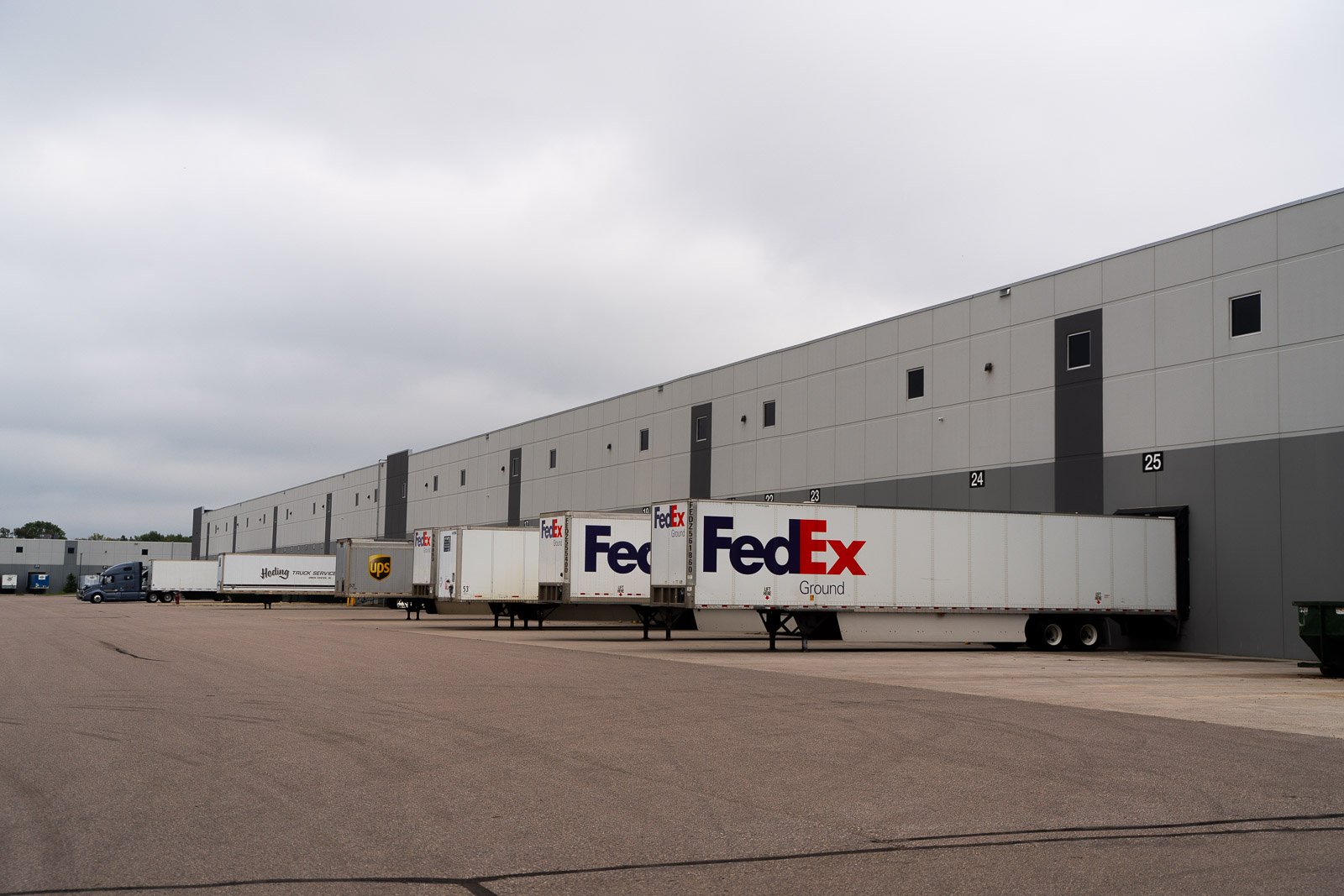
Carrier trailers backed into KSP's dock doors
Trailers at KSP's dock doors in Brooklyn Park.

FDA Food Facility Registration and the Records You Can Ask For

KSP is an FDA-registered food warehouse. Our registration is a food facility registration under the Federal Food, Drug, and Cosmetic Act. It covers the building and approves no product, which is why we say registered and never FDA-approved or FDA-certified. Here is how the work splits between our warehouse and your brand during a retailer audit or a recall.

AreaKSP, the warehouseYour brand
Registration

Food facility registration for our building

Your manufacturer or co-packer registers its own facility

Labels and claims

Stores and ships the product as labeled

Label content, nutrition facts and allergen statements

Lot and date records

Lot and best-by by location, plus the lot behind every shipped order

Lot code and date format

Recalls

Holds the affected lot, quarantines what's on hand and returns the list of orders it shipped on

The recall decision, any notice to FDA and customer contact

Receiving and counts

Receiving hold reports and cycle count results on request

What happens to held cases

Quality system

ISO 9001:2015 compliant

Your own food safety plan

If a buyer requires an SQF or AIB audited warehouse, tell us up front. We don't hold those.

KSP has been instrumental in enabling us to seamlessly launch and scale both our direct-to-consumer and retail businesses. They successfully navigated the complexities of our product's regulatory requirements, and their commitment to excellence has been a key factor in our success!

CPG BrandKSP client

What Sets the Cost of a Food Fulfillment Program

Most of what moves the price of a food program comes from dates, case packs and weight. We walk you through an invoice and your program line by line before you sign, and the 3PL fee checklist lists the fee lines worth comparing across quotes.
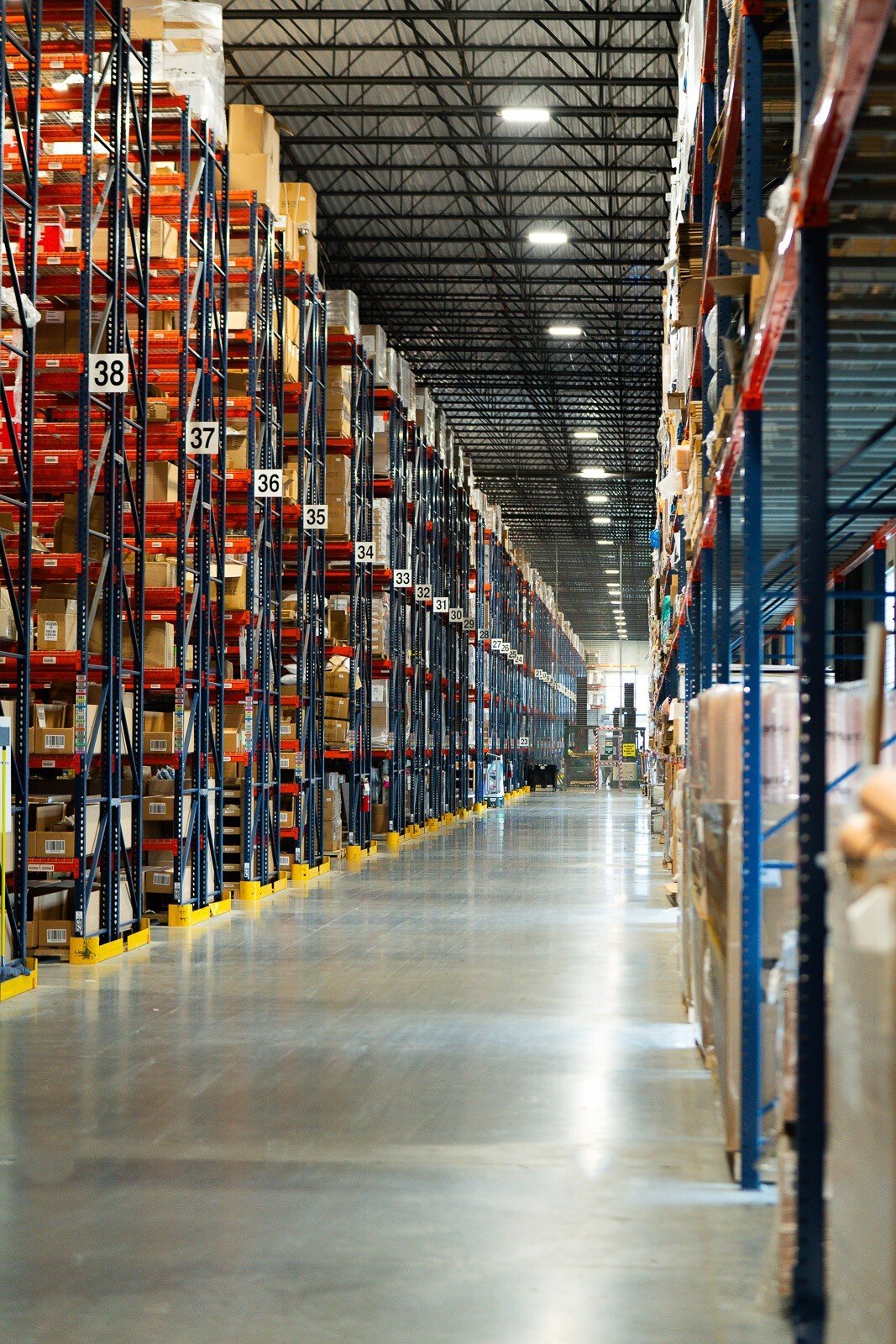
A long aisle of pallet racking in KSP's warehouse
Storage by pallet or shelf

Set by how many lots and best-by dates you keep apart. Ten dates of one SKU take more locations than one.

Breaking cases into single units

When a club or distributor case gets opened to ship single units to DTC customers, that work is its own line.

Kit and gift set builds

Variety packs, gift sets and club multipacks are priced per finished unit.

Postage on heavy orders

Beverage and jar orders are rated on measured weight at our discounted carrier rates.

What we'll talk through

  • Shelf life, date-code format, storage temperature range and case pack
  • The channels you sell through: DTC, Amazon, grocery distributors, club stores
  • Monthly orders and SKU count
  • Any SKU that needs protection from summer heat or winter cold

Food Fulfillment FAQ

Do you store refrigerated or frozen food?

No. KSP's storage is climate-controlled and ambient, so frozen, refrigerated and fresh products need a cold-chain partner.

Is KSP an FDA-registered food warehouse?

Yes. KSP's FDA registration is a food facility registration under the Federal Food, Drug, and Cosmetic Act. It registers the warehouse and does not approve any product.

Can you store chocolate through the summer?

Chocolate and coated confections are reviewed SKU by SKU before onboarding. Send the spec sheet and your summer order volume, and you'll get our answer and the ship-day rules before you sign.

How do you read Julian or packed-on date codes?

The date format for each SKU is set in your spec sheet before the first shipment. Receiving enters the best-by date with the lot for every case from that record.

How is the best-by date set on a variety pack?

The pack takes the shortest best-by of any item inside it, recorded from the component lots at build.

What happens if Amazon or a grocery buyer needs more shelf life than a lot has left?

Your date-control plan lists each channel's minimum. Lots close to it are moved to DTC or another channel before they ship to that buyer.

Do you ship canned and bottled drinks?

Yes, non-alcoholic ones. Cartons are packed by container type and weighed on certified scales, and winter ship-day rules protect drinks that can freeze in transit.

Are you certified to handle organic food?

No. KSP doesn't hold an organic handler certification. Sealed retail packages store like any shelf-stable SKU, so tell us if your certifier requires a certified handler before you sign.

Do you connect to my store and sales channels?

Yes. Any platform connects, through Logiwa or KSP's custom API, and a new connection can be built in as little as a week.

Get a Product-by-Product Answer on What We Can Store

Tell us what you sell. We'll tell you which products fit our ambient, FDA-registered warehouse and show you what fulfillment would cost.

  1. Answer five quick questions about what you ship and where you sell, with rough numbers.
  2. A KSP rep gets in touch within 1 business day to set up a short call and hear what you need.
  3. We build a fulfillment plan and a quote around your operation, then walk you through both line by line.

99.999% order accuracy across 32.1M orders, from a climate-controlled, FDA-registered warehouse.

No obligation, and nothing to send or prepare.

Not ready to talk yet? Get the Fulfillment Fee Checklist: the 14 lines a 3PL can bill you for, with the question to ask about each one.

Step 1 of 5

Who do you ship to?

Pick one or both.