
How can a 3PL help reduce peak season fulfillment problems? A 3PL can reduce peak season fulfillment problems through responsive communication, timely processing, documented packaging procedures, clear pricing, and capacity for higher volume. KSP combines dedicated on-site support and robotics-assisted fulfillment with trained packaging SOPs, client-approved shipment rules, and no peak season fulfillment surcharge.
Holiday sales should give your business momentum. But when your fulfillment partner struggles to keep up, more orders can mean more time chasing updates, answering customer complaints, and worrying about whether packages will arrive on time.
Peak season brings challenges that don't always exist during the rest of the year. Black Friday promotions can generate sudden spikes in orders, inbound inventory may arrive just days before a major sale, and holiday gift sets can add new steps to an already busy fulfillment operation.
These are the kinds of challenges that can turn a successful sales season into an operational headache.
What Are the Most Common Peak Season Fulfillment Problems?
Common peak season fulfillment problems include sudden order spikes, missed holiday shipping deadlines, seasonal packaging errors, delayed inventory receiving, post-holiday returns, warehouse capacity constraints, and competing retail and ecommerce fulfillment demands.
These challenges become especially difficult during the holidays, when order volumes increase, deadlines become tighter, and there is less room for delays or mistakes.
Here, we're taking a closer look at seven specific operational problems that can arise during peak season and how KSP helps brands address them.
1. Promotional Order Spikes That Overwhelm Fulfillment Operations
Black Friday, Cyber Monday, flash sales, and other holiday promotions can bring a sudden increase in orders.
A promotion that performs better than expected is great news for your business. But when hundreds or thousands of orders arrive in a short period, your fulfillment operation needs to be able to respond.
Unexpected spikes can put pressure on picking, packing, and shipping workflows. If a warehouse isn't prepared to adjust to changing order volumes, orders can begin piling up, even when inventory is available and ready to ship.
How KSP Prepares for Promotional Order Spikes
KSP works with customers to understand upcoming promotions, anticipated order volumes, and potential changes in demand.
Our team uses that information to help plan warehouse labor and resources around expected activity.
KSP also uses Locus autonomous mobile robots to support order picking by reducing travel time for warehouse associates, helping them spend more time handling and verifying products.
While no forecast can predict every order, understanding upcoming promotions gives our team a better opportunity to prepare for increased demand and respond when volumes change.
2. Orders Missing Holiday Shipping Deadlines
A successful holiday promotion loses some of its excitement when orders sit waiting to be fulfilled.
During the holidays, customers are often shopping with a specific date in mind. A gift that arrives after the celebration isn't quite the same, and your business may be the one answering questions about why it didn't arrive in time.
High order volumes, warehouse backlogs, and unclear shipping expectations can all contribute to delays.
Split shipments can create additional complications, especially when customers expect their purchases to arrive together.
During peak season, understanding fulfillment cutoffs, carrier deadlines, and shipment preferences helps your business set realistic delivery expectations for customers. For a closer look at important carrier cutoff dates, check out our 2026 holiday shipping deadlines guide.
How KSP Helps Brands Meet Holiday Fulfillment Deadlines
KSP offers same-day shipping for eligible daily orders received by our 2 PM Central Time cutoff. RF scanning and the use of robotics support picking accuracy as orders move through fulfillment.
We also fulfill orders across your sales channels from one inventory at our Brooklyn Park, Minnesota facility. Your products aren't spread across multiple regional KSP warehouses, removing that source of inventory fragmentation.
KSP follows your shipment preferences and never short ships or splits an order without your permission or instruction to do so.
During peak season, understanding fulfillment cutoffs, carrier deadlines, and shipment preferences helps your business set realistic delivery expectations for customers.
While no fulfillment provider can control carrier transit times, having clear processes before an order leaves the warehouse is an important part of meeting holiday expectations.
3. Holiday Gift Sets and Packaging Errors
Holiday orders often come with more moving parts than everyday fulfillment.
Gift sets, promotional bundles, seasonal inserts, special packaging, and subscription boxes can all introduce additional steps into the process.
Maybe a holiday gift set needs three specific products arranged in a certain order. Maybe a promotional insert should only go into orders placed during a particular campaign. Or perhaps your seasonal packaging requires different materials than your standard shipments.
When those details get missed, the customer receives something different from what your brand promised.
And during the holidays, there may not be enough time to correct the mistake before the gift is needed.
How KSP Manages Seasonal Kitting and Packaging Requirements
KSP documents packaging requirements in standard operating procedures (SOPs) and trains our team to follow them.
Our on-site kitting and assembly services support holiday gift sets, promotional bundles, subscription boxes, and other projects requiring specific configurations.
Kitted products are checked against a bill of materials to help verify that the required components are included before the kit closes.
We also work with customers to understand seasonal packaging variations, special inserts, and project deadlines so those requirements can be incorporated into the fulfillment process.
The goal is simple: Your customers should receive the experience your brand intended, even during your busiest season.
4. Inbound Inventory Arriving Too Late for Holiday Demand
Having enough inventory on the way doesn't necessarily mean it's ready to fulfill customer orders.
During peak season, brands may be receiving new products, replenishing popular items, or bringing in additional inventory ahead of holiday promotions.
But when shipments arrive later than expected, the window for receiving, processing, and making that inventory available for fulfillment becomes smaller.
Products may be physically inside the warehouse but still need to be received and processed before they can be allocated to orders.
If inventory isn't available when a promotion begins, brands risk missed sales opportunities, delayed orders, and frustrated customers.
How KSP Supports Holiday Inventory Receiving
KSP works with customers to understand expected inbound shipments, upcoming promotions, and inventory needs.
Sharing inbound shipment details and anticipated arrival dates helps our team prepare for receiving activity and understand which products may be needed for upcoming orders.
Our warehouse management technology helps track inventory as it moves through the facility, while our client portal gives customers visibility into their inventory information.
When inbound shipments are delayed or inventory questions arise, your dedicated Customer Experience representative can coordinate with the warehouse team to investigate and communicate updates.
During the holiday rush, knowing what's arriving and when it will be needed can make a significant difference in keeping fulfillment operations moving.
5. Returns Piling Up After the Holidays
Peak season doesn't end when the last holiday package ships.
Once the gifts are opened, another wave of activity begins: returns, exchanges, and products coming back into the warehouse.
For brands, that can mean managing returned inventory while also handling regular orders, new promotions, and the start of a new sales year.
Without a clear returns process, products can sit waiting to be inspected, inventory availability can become difficult to track, and your customer service team may spend more time answering questions about return statuses.
How KSP Handles Post-Holiday Returns
KSP works with customers to establish returns processes based on their products and business requirements.
Depending on the program, that can include receiving returned products, following documented inspection instructions, and determining how eligible items should be handled or returned to available inventory.
Your dedicated Customer Experience representative also provides a consistent point of contact when questions arise about returned products or exceptions.
A well-defined returns process helps keep post-holiday activity organized and gives your team better visibility into what is happening with returned inventory.
Because the holiday rush may be over for shoppers, but the work behind the scenes isn't finished.
6. Multiple Warehouse Workloads Competing for Capacity
During the holidays, warehouse capacity isn't just about how many orders need to ship.
A fulfillment operation may be processing daily ecommerce orders while also receiving inbound inventory, assembling holiday gift sets, preparing promotional bundles, and meeting retail shipping deadlines.
Each of these activities requires labor, equipment, space, and time.
When several projects reach their busiest point at once, even a warehouse that can handle normal daily order volumes may struggle to keep everything moving.
Without proper coordination, one project can create delays for another.
How KSP Coordinates Peak Season Warehouse Workloads
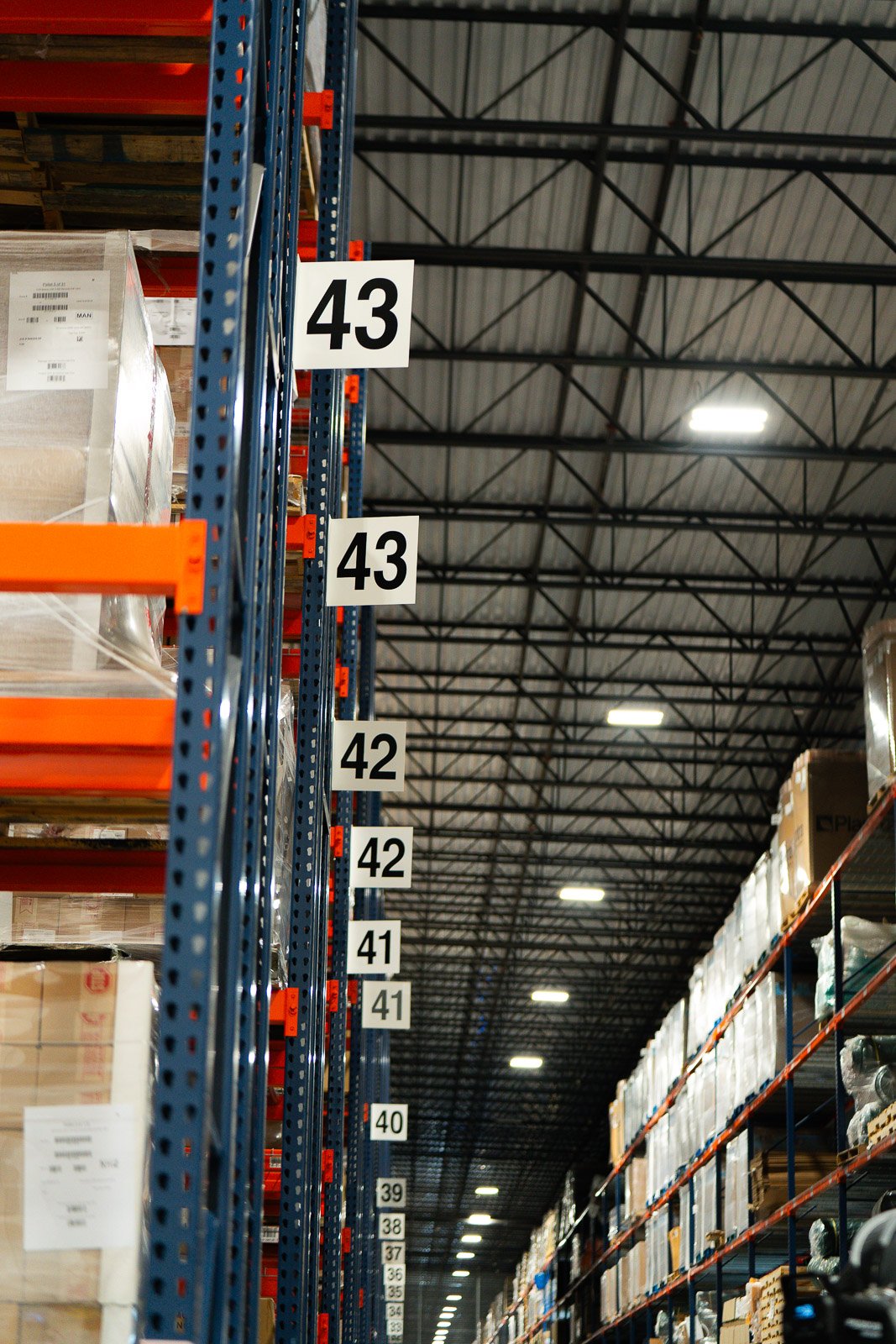
KSP operates from a 225,000-square-foot facility in Brooklyn Park, Minnesota, with 50,000 square feet of configurable kitting and assembly space to support projects beyond standard order fulfillment.
Our team works with customers to understand upcoming projects, expected volumes, and required completion dates.
For kitting projects, we review the quantity, configuration, and deadline to confirm capacity before placing the build on the production schedule.
We also encourage customers to share promotional calendars, expected order increases, and special project requirements ahead of time.
This visibility helps our team understand competing operational demands and plan resources around the work that needs to be completed.
The goal isn't simply to handle more orders. It's to maintain consistent fulfillment processes while multiple activities are happening at once.
7. Retail and Ecommerce Orders Competing for Fulfillment Resources
For brands selling through both retail and ecommerce channels, the holiday season can bring competing fulfillment priorities.
Direct-to-consumer orders may need to ship quickly to meet customer expectations, while retail partners may have specific delivery windows, packaging requirements, routing instructions, and compliance standards.
Both channels are important, but they don't always operate on the same timelines or follow the same processes.
When retail replenishment orders and ecommerce demand increase simultaneously, managing those different requirements can become more complicated.
Missing a retailer's shipping requirements or delaying consumer orders can create additional costs and affect customer relationships.
How KSP Supports Multichannel Holiday Fulfillment
KSP supports both direct-to-consumer and business-to-business fulfillment from our Brooklyn Park facility.
By managing orders across multiple sales channels from one inventory, we help brands maintain visibility without separating their products across multiple KSP warehouse locations.
Our team works with customers to document their specific fulfillment requirements, including packaging instructions, routing guidelines, and other processes that may differ between retail and ecommerce orders.
With dedicated Customer Experience support and documented procedures, brands have a consistent point of contact when questions arise about orders, deadlines, or channel-specific requirements.
During peak season, having an operation that understands the differences between your sales channels can help reduce unnecessary complications.
Don't Let Fulfillment Problems Overshadow Your Holiday Success
The holiday season should be an opportunity to grow your business, reach new customers, and build momentum heading into the new year.
But when fulfillment problems start taking over your team's time, that growth can become harder to manage.
Promotional order spikes, shipping deadlines, seasonal packaging, inbound inventory, warehouse capacity, and multichannel requirements all create unique challenges during peak season.
KSP combines technology, operational capabilities, and dedicated Customer Experience support to help brands keep their fulfillment operations moving through peak season and beyond.
Once the holiday rush is over, it's also worth evaluating what worked and what could improve. Our guide to evaluating your holiday fulfillment performance explores what brands should consider heading into their next busy season.
Ready for a Fulfillment Partner That Can Keep Up?
Your busiest season shouldn't leave you wondering whether your fulfillment partner can deliver.
Connect with KSP Fulfillment to discuss your fulfillment challenges, upcoming promotions, and what your business needs from a 3PL partner.
Stop Spending Your Busiest Season Chasing Your 3PL
You have customers to serve, promotions to manage, and a business to grow. Your fulfillment partner should help you move that work forward.
KSP brings dedicated support, inventory visibility, brand-specific packing, and robotics-assisted fulfillment together in one operation. Tell us where your current fulfillment is falling short and what your next peak season needs to look like.